Restoring a Steinway begins with understanding the individual piano: its structure, action, tone, cabinet, history and intended use.
Some instruments need careful preparation and selective repairs. Others require comprehensive structural, action and cabinet work. A written assessment should define the scope before work begins.
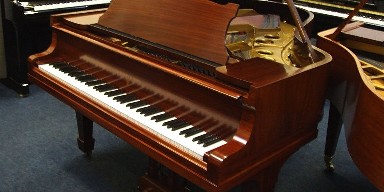
Start with an evidence-based assessment
Age and model provide context, but they do not describe present condition. Two Steinways from the same period can need very different work after decades of use, storage and previous repair.
Structure
Wrest-plank, tuning stability, soundboard, bridges, strings and frame.
Action
Keys, centres, geometry, hammers, dampers, repetition and regulation.
Tone
Balance, sustain, transitions, dynamic control, voicing and room response.
Cabinet
Original finish, veneer, polyester, French polish, hardware and case condition.
Restoring a Steinway grand
Models O, A and B are frequently encountered in the UK, but the required work ranges from regulation and hammer preparation to full structural rebuilding. Heavy use can wear an action even when the cabinet appears excellent.
A comprehensive plan may include restringing, wrest-plank or bridge work, soundboard repair, action replacement or rebuilding, damper work, regulation, voicing and cabinet restoration. These operations should be coordinated rather than treated as unrelated jobs.
Restoring a Steinway upright
Older Steinway uprights can require nearly as much detailed action and structural work as a grand. The decision should consider musical potential, sentimental or historical value, likely use and the full cost of completing the work properly.
Some early uprights have 85 notes, while others have the modern 88-note compass. Identify the model and construction before specifying replacement parts or judging value.
Restoration case studies
These workshop videos show transformations and preparation on different Steinway instruments. They illustrate possible work rather than a universal restoration specification.
Grand cabinet transformation
French polishing and cabinet work on an early twentieth-century Steinway grand.
Model K upright
Before-and-after work on a 1930s Steinway upright.
Early 88-note upright
A restored Steinway upright dating from 1888.
Cabinet finish and colour
Traditional French polish, later lacquer and polyester finishes require different methods. Faded mahogany beneath a bright polyester coating may not be corrected by surface polishing alone; stripping and refinishing can materially change the scope and cost.
Black polyester can often provide a more visually consistent result, but colour is not an investment guarantee. Originality, execution, cabinet condition and the musical work completed should all be documented.
Ask before approving cabinet work
- Which finish is currently present?
- Can it be conserved rather than removed?
- Will veneer repairs be visible?
- How will colour and sheen be agreed?
A clear restoration process
1
Inspect
Record condition, identity, measurements, history and intended use.
2
Specify
Agree structural, action, tonal and cabinet work in writing.
3
Restore
Complete coordinated workshop work with progress documentation.
4
Prepare
Regulate, voice and tune for the player and destination room.
Considering Steinway restoration?
Send the serial number, photographs, known history and a description of how the piano will be used.