Upright piano guide
Choosing an upright piano
A good upright can offer serious musical performance in a compact footprint. Compare individual instruments by touch, tone, condition and suitability for the player rather than relying on the maker name alone.
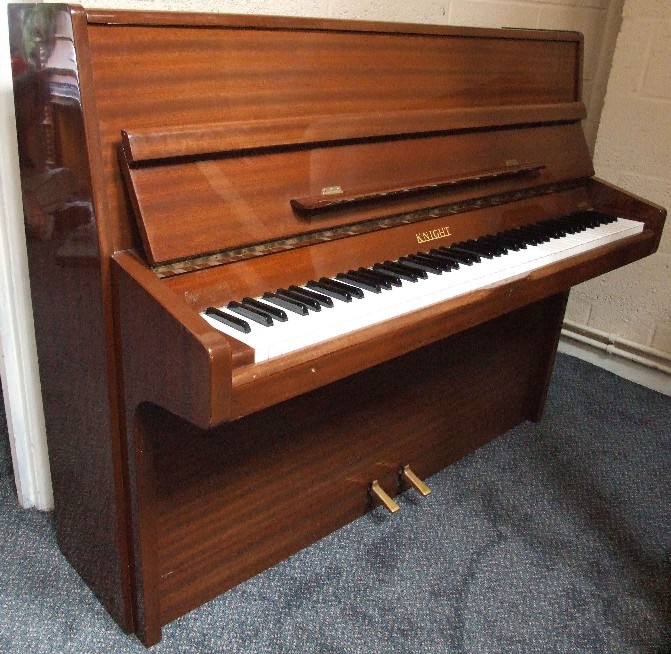
Touch and control
Play quietly as well as loudly. The action should repeat consistently and allow the player to shape a phrase without fighting uneven keys.
Tone across the keyboard
Listen for balance between bass, middle and treble. A strong piano should retain clarity without becoming harsh or thin.
Condition and history
Age alone does not determine quality. Ask about tuning stability, action wear, soundboard condition and previous restoration or repair work.
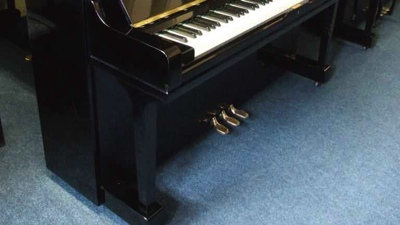
Fit for the room and player
Check practical details before deciding
Measure the available wall space and check access for delivery. Taller players should confirm knee room and pedal position, while younger learners may need an adjustable stool and suitable support.
For a used piano, a technical inspection is the best way to understand immediate work, future maintenance and whether the asking price reflects its condition.
Compare upright pianos in person
Tell us who will play, the room size and your priorities. We can help shortlist suitable instruments before a showroom visit.