Grand piano guide
Choosing a grand piano
A grand piano gives the action and soundboard room to work horizontally, but size, room acoustics, touch and condition matter more than the label alone. Use this guide to narrow the choice before you visit.
Start with the room
Four practical checks before choosing
Size and access
Measure the room, doors, turns and final playing position. Grand-piano length affects both access and bass response.
Leg room and pedals
Keyboard height and pedal position vary. Taller players should test the instrument with their normal bench height.
Floor and acoustics
Hard floors reflect more sound. Rugs, curtains and furnishings can balance a bright room without muting the instrument.
Heat and humidity
Underfloor heating can dry a piano. Isolate the instrument or seek advice about humidity protection before delivery.
Sound and character
Choose the instrument, not only the badge
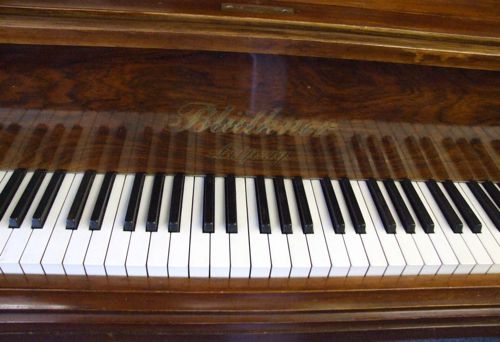
Steinway, Bechstein and Bluthner are established German names; Yamaha and Kawai are the most widely available Japanese grands. Age, use, action condition and the quality of any restoration can create large differences between two examples of the same model.
Compact and baby grands
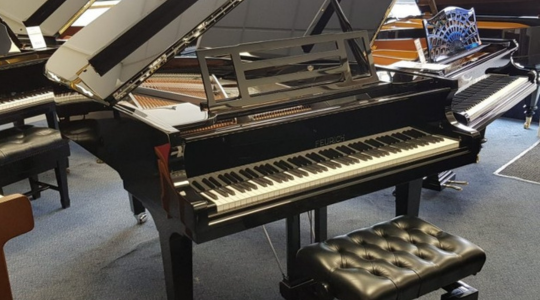
Useful where space is limited, but the shortest instruments may give up bass depth. Compare them directly with a quality upright.
Medium grands
Often the best domestic balance of room fit, string length and action performance.
Concert grands
Designed for projection and control in larger spaces. They require appropriate access, acoustics and maintenance.
Compare pianos in person
Tell us your room size, playing level, tonal preference and budget. We can shortlist suitable grands and explain any restoration history before you travel.